How to Eat Soba Like a Local in Japan
How to eat soba like a local: cold or hot, how much to dip, when to slurp and what to do with sobayu, plus three top-rated soba shops to try.

Here's how to eat soba like a local: order it cold, dip only the ends of the noodles, slurp, and finish by drinking the cooking water. That last step is the one most visitors miss. Below is the full routine for cold and hot soba, plus three shops where you can try it. Tabelog ratings are as of November 2026.
How to eat soba, step by step
These steps are for cold zaru or mori soba, the plain style that shows off the noodle best.
Try a few strands plain. One Japanese dining guide suggests a first bite with no sauce, so you can taste the buckwheat. It's a small step, and at a shop that mills its own flour it's the point of the meal.
Add condiments to taste. Stir some of the sliced green onion and wasabi into the dipping sauce, or skip them. Wasabi is optional, and there's no wrong amount.
Lift a small bite. Take only a few strands, enough to eat in one go. A big clump drags too much sauce and gets messy.
Dip the ends. The common advice is to dip about a third of the noodles, since the sauce is strong. Consider it a guideline: dip more if you like it salty.
Raise the cup. Hold the sauce cup up near your mouth. The Japan Foundation's lesson on zaru soba walks through the same basic motions. It keeps sauce off the table and your shirt.
Slurp. It's the expected way to eat soba. The air carries the buckwheat aroma, which is why many soba fans say slurping tastes better too. Eating quietly is OK if you can't get the hang of it.
Don't let it sit. Cold soba sticks together as it dries, so start soon after it arrives.
How to eat soba with sobayu
Near the end of the meal, the staff may bring a small pot of cloudy hot water. That's sobayu, the water the noodles cooked in.
Pour some into your leftover dipping sauce, taste, and add more until the strength suits you. Then drink it like soup. It's the local way to finish, and leaving it untouched isn't rude, but you'd miss the best part of the tray.
If you ordered hot kake soba in broth, you can ask for sobayu and add it to the bowl.
Cold or hot, and what to order
- Zaru or mori soba: cold on a tray. Order this first at a good shop.
- Kake soba: hot in broth. A good choice in winter, with noodles that soften as you eat, so don't wait around.
- Ten zaru: cold soba with tempura on the side.
- Soba-mae: drinks and small plates before the noodles. Tamagoyaki and sake are the classics, and it's how regulars spend an evening.
Where to try it
These three come from Tabelog's soba rankings and show three types of shop. All three are cash only. For context on the numbers, see how to read Tabelog scores.
1. Ishiusuhiki Teuchi Kyorakutei, Tokyo, for an easy start
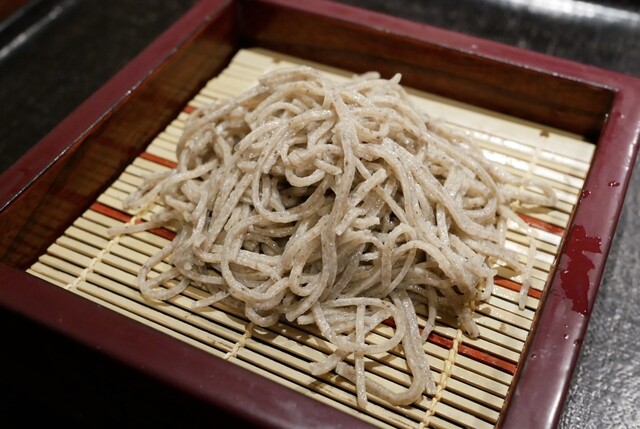
Kyorakutei is a Tabelog 100 shop in Kagurazaka with a single-slab counter. Its name says it all: ishiusu-hiki teuchi means stone-milled and hand-cut. Reviewers recommend the tempura and soba combination at lunch, the cheapest way in. Walk-in seats are first come, first served.
Tabelog: 3.76 (1,941 reviews) · Budget: ¥1,000–¥1,999 lunch, ¥4,000–¥4,999 dinner · Pay: cash only · Reservations: dinner only, three groups a day · Seats: 27 · Hours: 11:30–14:00 and 17:00–20:00, closed Sundays, Mondays and holidays · Getting there: 4 min walk from Iidabashi Station, exit B3
2. Tamawarai, Tokyo, for the serious version
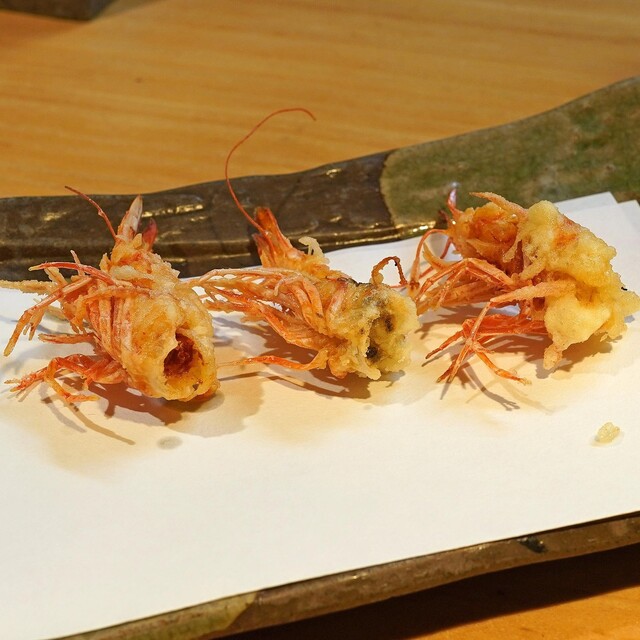
Tamawarai near Meiji-Jingumae holds a Tabelog Award 2026 Bronze. A reviewer says the soba uses homegrown, freshly milled buckwheat, and another calls the tamagoyaki the star of the meal. Mind the house rules: guests with reservations are asked to order one dish besides soba, Saturday lunch can't be booked, and weekday service stops when the soba runs out. The shop also closes temporarily for buckwheat harvesting in August, October and November, so check before you go.
Tabelog: 3.90 (1,974 reviews) · Budget: ¥2,000–¥2,999 lunch, ¥10,000–¥14,999 dinner · Pay: cash only · Reservations: accepted except Saturday lunch · Seats: 14 · Hours: Wednesday and Thursday 11:30–14:30, 18:00–21:00; Friday and Saturday 11:30–14:30, 18:00–20:00; closed Sunday through Tuesday · Getting there: 7 min walk from Meiji-Jingumae Station
3. Soba Roujina, Kyoto, for soba and sake
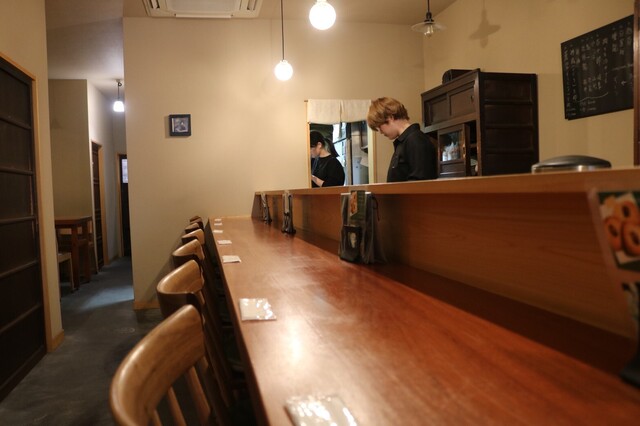
Soba Roujina sets out its etiquette plainly. Its evenings are for soba with drinks, and it asks guests who want only noodles to come at another time. So visit at lunch for noodles, like the reviewer who paid ¥1,600 for a set with 100% buckwheat soba, and at dinner for soba-nomi (drinking over soba).
Tabelog: 3.65 (642 reviews) · Budget: ¥1,000–¥1,999 lunch, ¥2,000–¥2,999 dinner · Pay: cash only · Reservations: dinner only · Seats: 14 · Hours: 11:30–14:30 and 17:30–20:00, closed Mondays · Getting there: 10 min walk from Kyoto Shiyakusho-mae Station
Frequently asked questions
Is slurping really how to eat soba?
Yes, it's the expected way, and the air brings out the aroma. Nobody will object if you eat more quietly.
What is the hot water served with soba?
That's sobayu, the water the noodles were cooked in. Mix it into your remaining dipping sauce and drink it at the end of the meal.
Do you pour the dipping sauce over the noodles?
No. Keep the sauce in its cup and dip a small bite at a time.
Do soba shops take credit cards?
Many small ones don't. All three shops above are cash only, so check the listing before you go.
Find your shop
See soba in Tokyo, soba in Kyoto and the soba guide. When you know how to eat soba, the TabeDog map can tell you which shops are open and when lunch ends.
Cover photo: Zaru soba by spinachdip, CC BY-SA 2.0, via Wikimedia Commons.