The scale is harsh on purpose
The average restaurant sits near 3.1. A 3.5 means a queue, a 3.7 is a destination, a 4.0 is one of the best meals in the country.
TabeDog
The restaurant ratings Japanese locals actually trust, on a map you can read. Find the places locals queue for and skip the tourist traps.
Google rates everything in Japan 4.0 to 4.5. Guidebooks send everyone to the same ten places. TabeDog shows the ratings locals use, in English.
The 3.6 ramen shop a block away stands out from the 3.0 with the English sign.
Today's hours and payment methods for every listing, because many places are cash only.
| What you need in Japan | TabeDog | Google Maps | Tabelog.com | Guidebooks / TikTok |
|---|---|---|---|---|
| Ratings Japanese locals trust | Tabelog scores | 4.3 for everything | Tabelog scores | Opinion |
| Fully in English | Yes | Yes | Partial | Yes |
| Map search near you | Yes | Yes | Limited | No |
| Open right now, sold-out aware | Yes | Often wrong | Japanese only | No |
| Cash, card, IC and QR payment | Yes | Rarely | Japanese only | No |
| Every restaurant in Japan | All of Tabelog | Most | All | A few dozen |
| Saved lists, AI recommendations, AI search, local guides | Premium | Lists only | No | No |
Tabelog runs 1 to 5, but almost nothing scores above 4. That is the point: a 0.2 gap on Tabelog is a real difference. The same gap on Google is noise.
The average restaurant sits near 3.1. A 3.5 means a queue, a 3.7 is a destination, a 4.0 is one of the best meals in the country.
Tabelog weights reviewers by their track record, so a tourist's five stars for the hotel sushi bar does not move the number.
Japanese diners pick restaurants by Tabelog score and the Hyakumeiten (Top 100) lists. Google's 4.0 to 4.5 band cannot tell a great ramen shop from an average one.
TabeDog finds restaurants around you, or around any station or neighborhood you search, anywhere in Japan.
Cuisine, price range, Tabelog score, open now, takes credit cards. Sort by rating, distance or price.
Name, address, hours, lunch and dinner prices and payment methods, with a link to the Tabelog page for photos and reviews.
Neighborhood-by-neighborhood guides, with what to eat, where locals go, and what a good Tabelog score looks like in each city.
 東京Best restaurants in TokyoEdomae sushi · Tokyo shoyu ramen · Tempura · Tonkatsu大阪OsakaOkonomiyaki · Kushikatsu · Kitsune udon京都KyotoKaiseki · Yudofu · Kyoto ramen福岡FukuokaHakata tonkotsu ramen · Motsunabe · Mizutaki札幌SapporoMiso ramen · Soup curry · Jingisukan名古屋NagoyaHitsumabushi · Miso katsu · Miso nikomi udon横浜YokohamaIekei ramen · Sanmamen · Dim sum and buns神戸KobeKobe beef · Sobameshi · Butaman広島HiroshimaHiroshima okonomiyaki · Oysters · Anago-meshi沖縄OkinawaOkinawa soba · Goya champuru · Rafute金沢KanazawaKaisendon · Nodoguro · Kaga kaiseki奈良NaraKakinoha-zushi · Chagayu · Miwa somen
What each dish is, how to order it, what it costs, and which cities do it best.
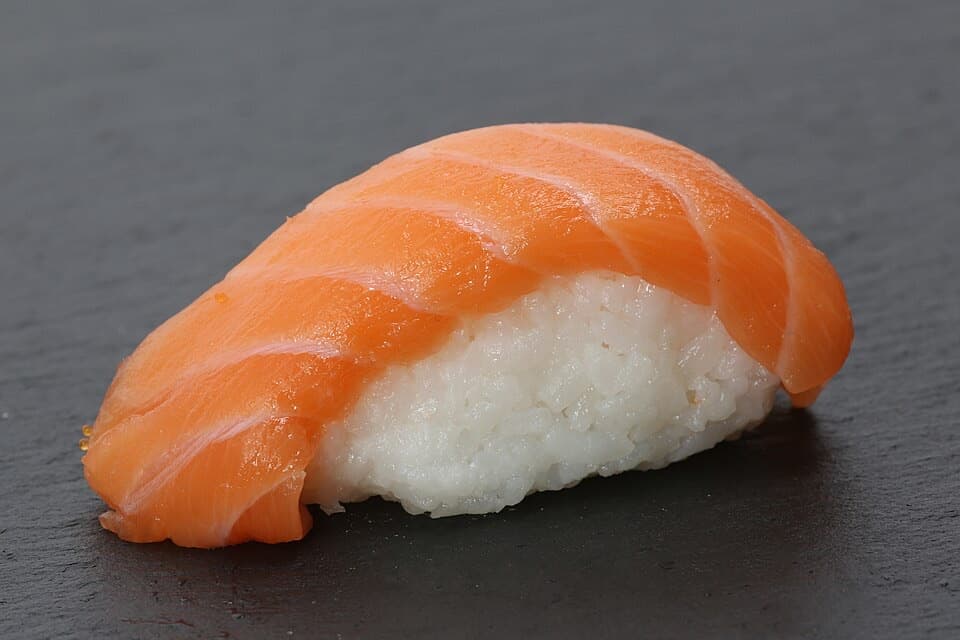 Sushi寿司From ¥1,500 kaiten counters to ¥40,000 omakase, with the ratings locals book by
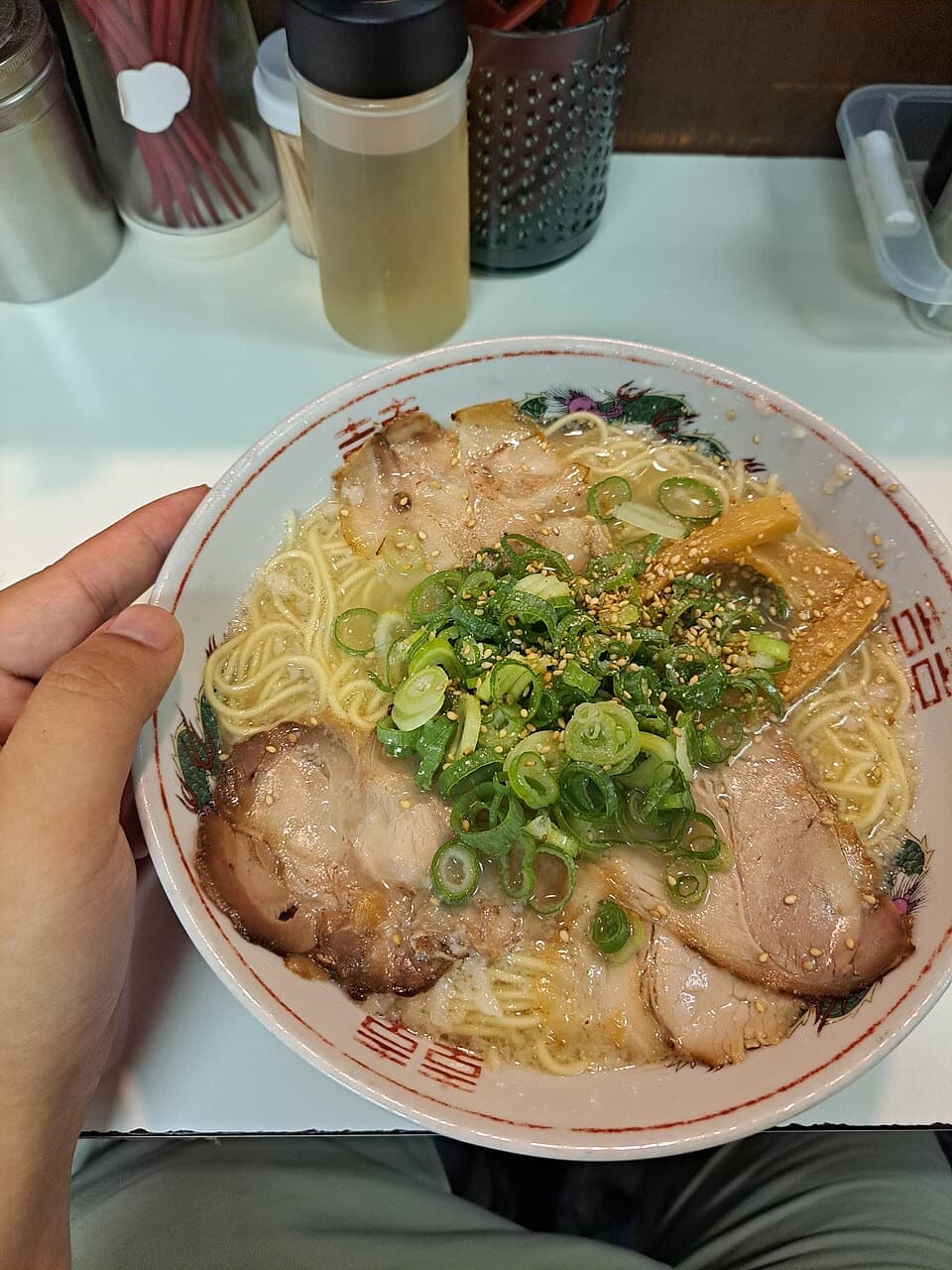 RamenラーメンTonkotsu, shoyu, miso and tsukemen, ranked by the people who eat it daily
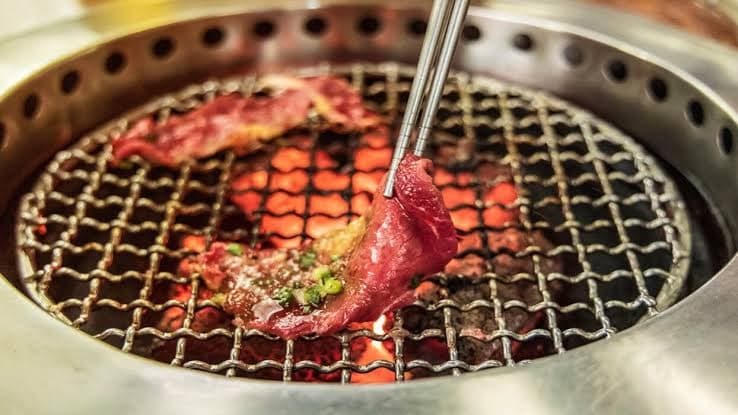 Yakiniku焼肉Japanese BBQ: grill wagyu at your table and pay a third of what a steakhouse charges
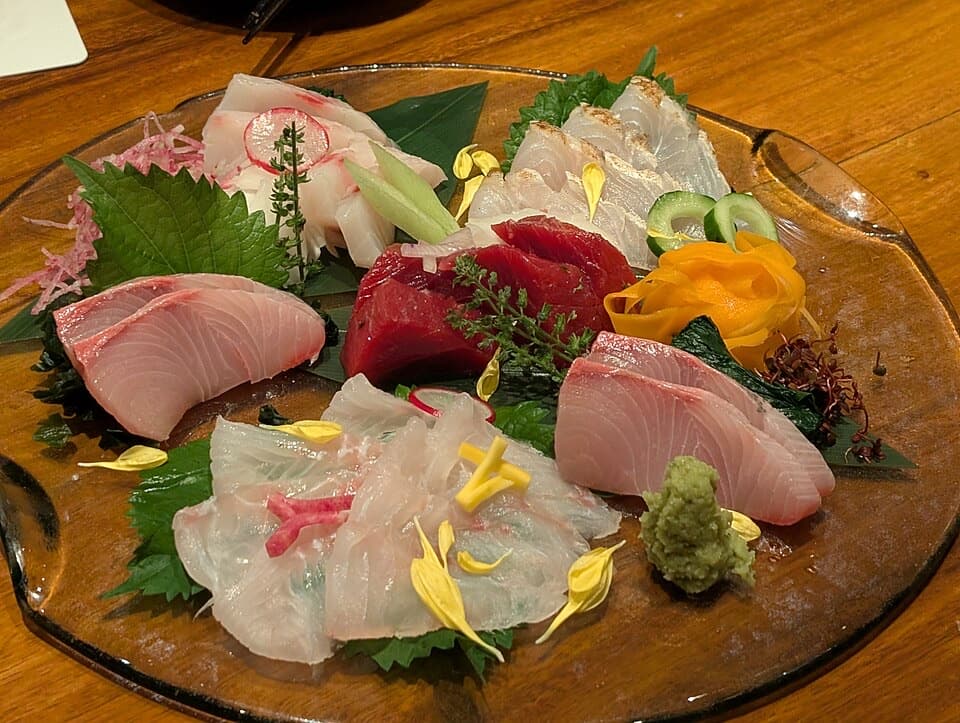 Izakaya居酒屋Japan's pubs: small plates, beer, sake and the loudest, friendliest rooms in the country
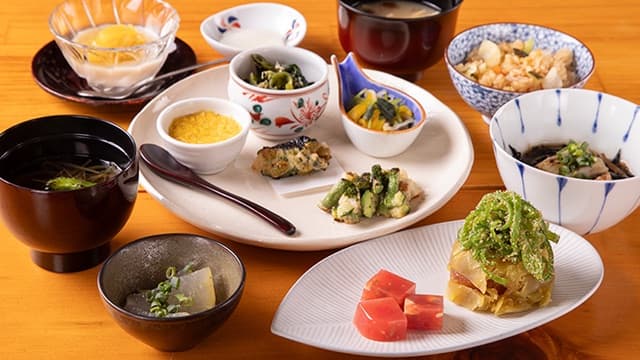 Kaiseki懐石・会席Japan's multi-course haute cuisine, and the most important Tabelog category outside Tokyo
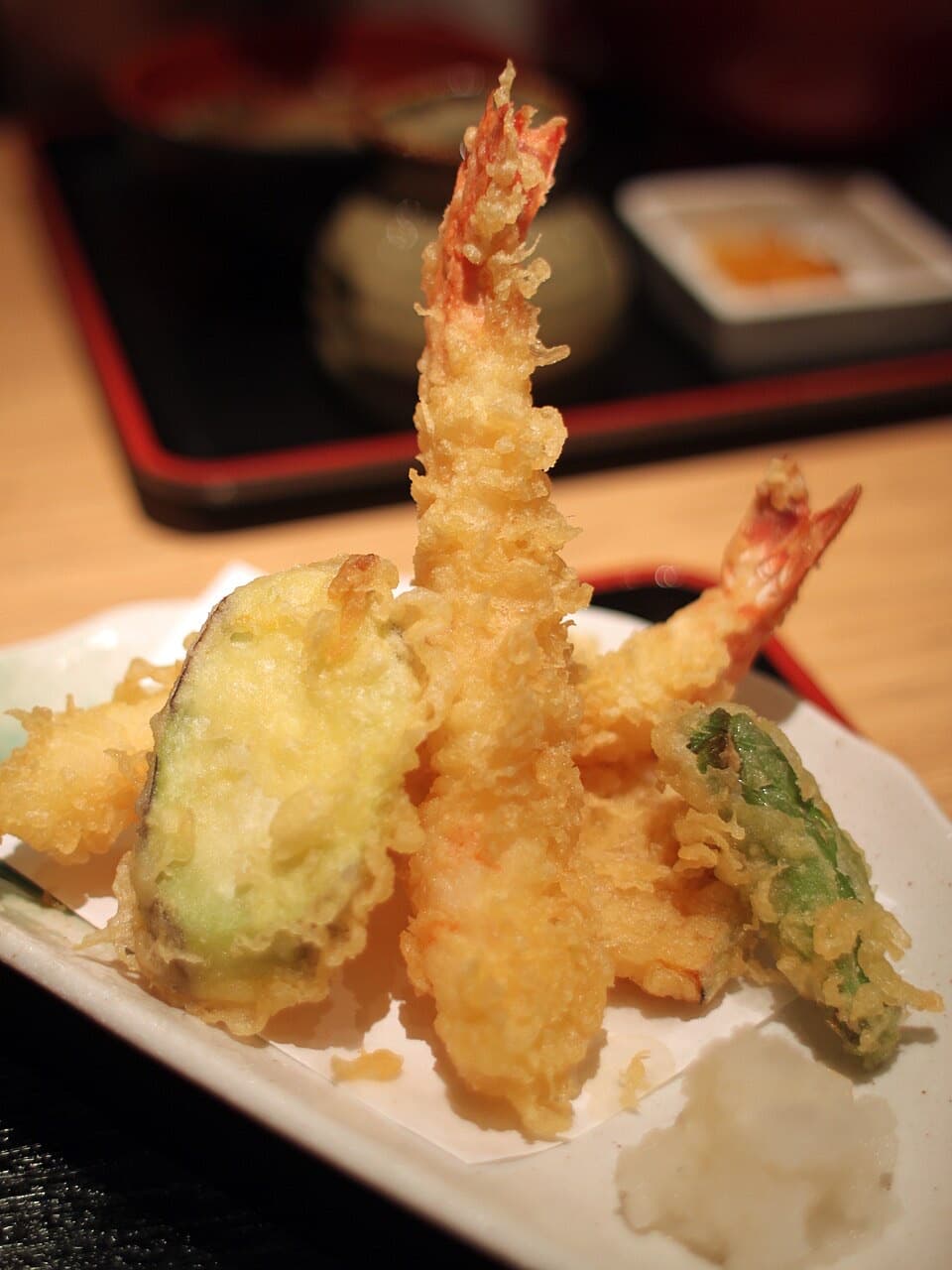 Tempura天ぷらLight, crisp and fried one piece at a time at the counter, not the greasy version you know
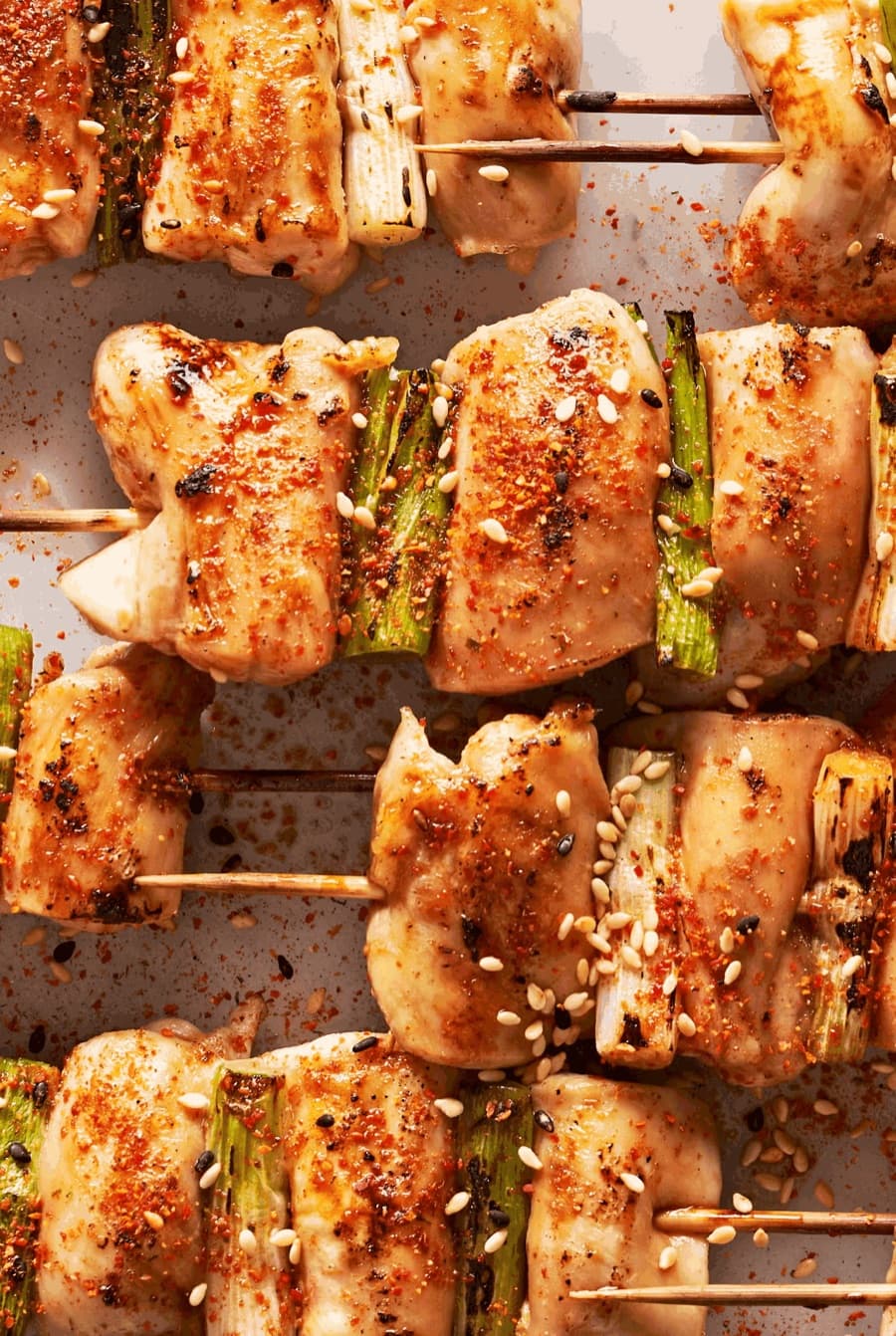
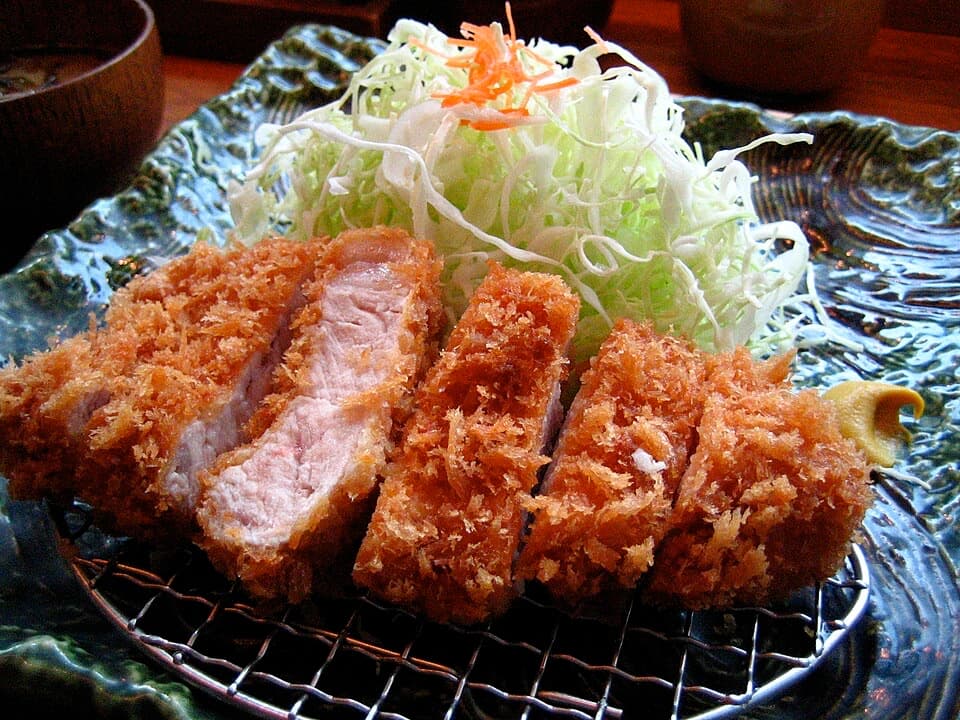 TonkatsuとんかつBreaded pork cutlet, the most satisfying ¥1,500 lunch in JapanYakitori焼き鳥Grilled chicken skewers over binchotan charcoal, from ¥150 a stick to tasting-menu counters
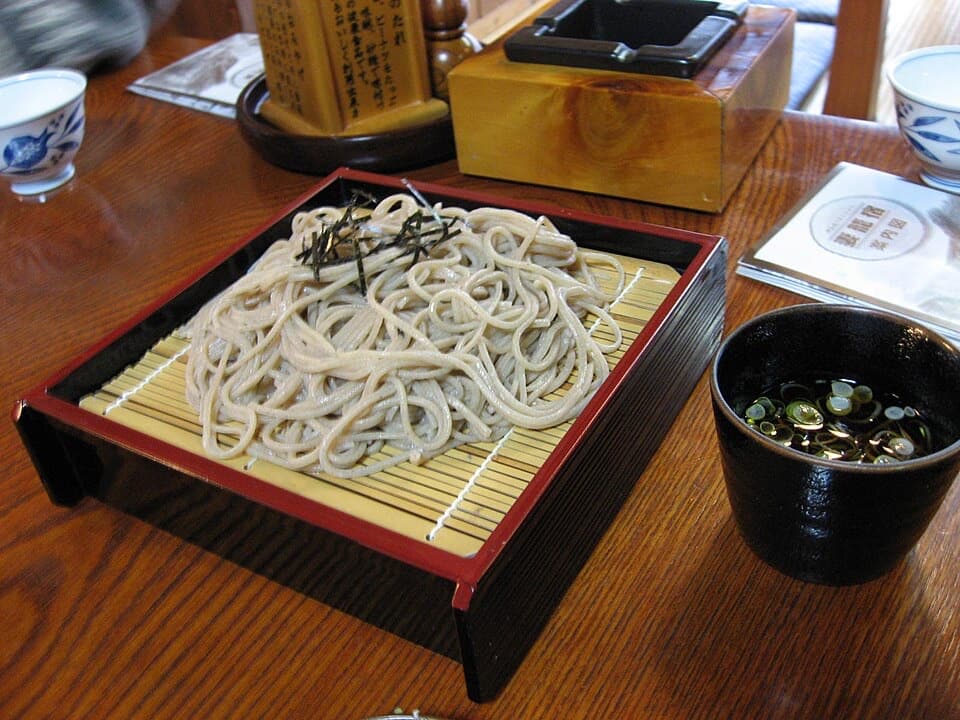 Soba蕎麦Hand-cut buckwheat noodles, cold with dipping sauce, in the oldest shops in Japan
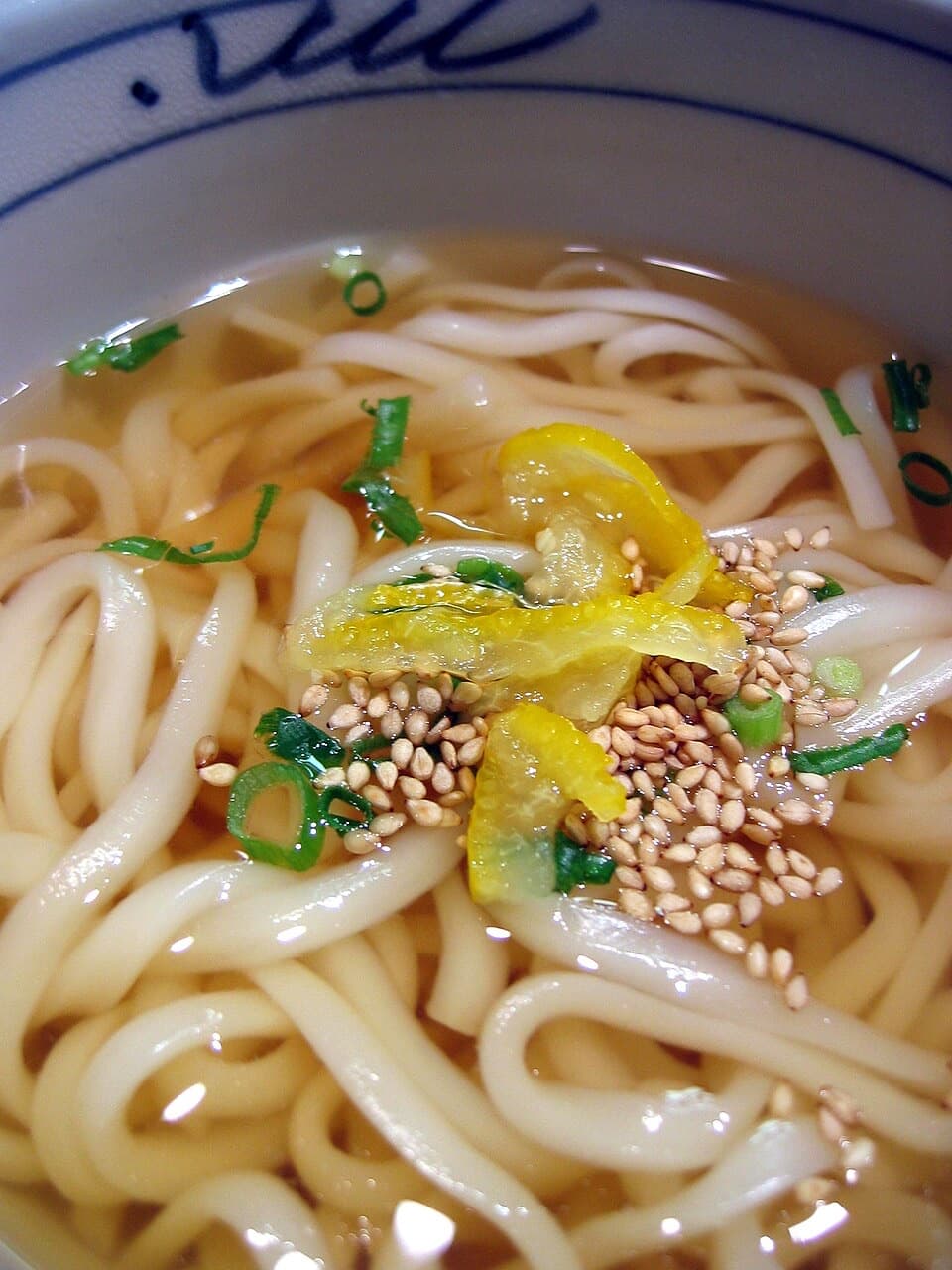 UdonうどんThick, chewy wheat noodles in light broth, and the cheapest great meal in Japan
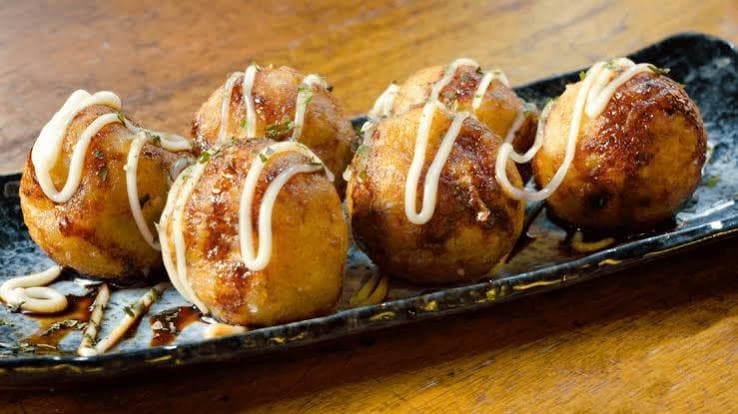
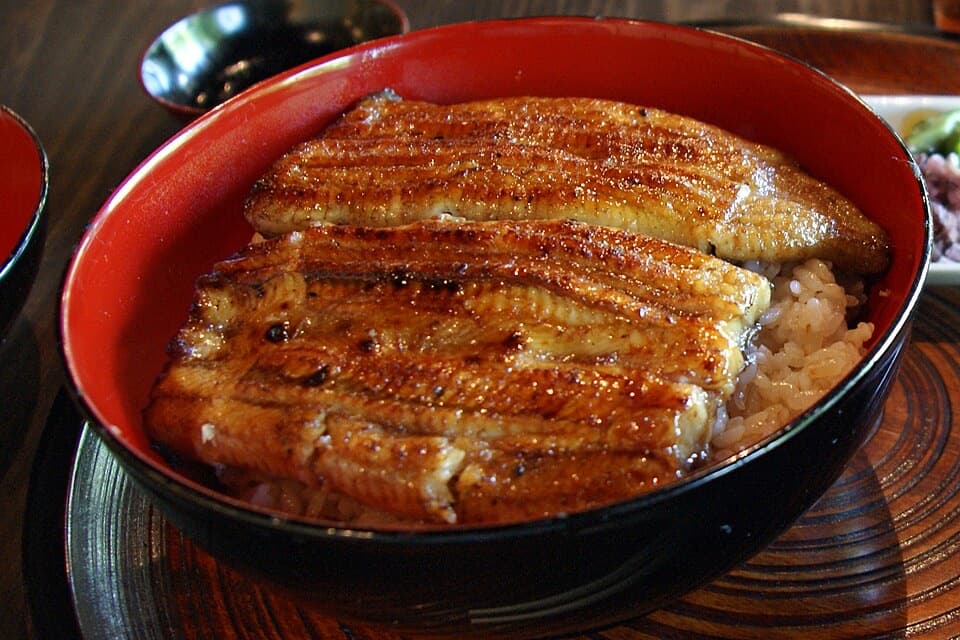 Unagi鰻Charcoal-grilled eel glazed in sweet soy, the meal Japanese people save up forOkonomiyakiお好み焼きThe savory cabbage pancake that Osaka and Hiroshima both claim, cooked on the griddle in front of you
Photos via Wikimedia Commons: Sushi by Tim Reckmann (CC BY 2.0), Tempura by Yaco (CC BY 2.0), Tonkatsu by ayustety (CC BY-SA 2.0), Soba by spinachdip (CC BY-SA 2.0), Udon by udono (CC BY 2.0), Unagi by 663highland (CC BY 2.5), Ramen and izakaya by GiveMeMollusks, Syced (CC0).
TabeDog is an English map of Japan's restaurants built on Tabelog ratings. Search near you or in any city, filter by cuisine, price, opening hours and whether a place is open right now, and see hours, prices and payment methods in English. It is an independent project and is not affiliated with Tabelog or Kakaku.com.
Tabelog has a partial English site, but most of its listings, reviews, hours and payment details are Japanese only and the English map search is limited. TabeDog shows Tabelog's ratings on a full English map with those details translated, so foreigners can use the same scores Japanese diners rely on.
Tabelog scores run from 1 to 5 but almost nothing scores above 4. The average restaurant is around 3.0 to 3.2. A 3.5 puts a restaurant in roughly the top 3 to 5 percent in Japan and usually means a queue. Above 3.7 is a destination; above 4.0 is one of the best restaurants in the country. The scale is deliberately harsh, which is why it works.
Google ratings in Japan cluster between 4.0 and 4.5 for almost everything, so they cannot tell a great restaurant from an average one. Tabelog weights reviewers by their track record and compresses scores, so a difference of 0.2 is meaningful. Japanese diners choose where to eat by Tabelog score, not Google stars.
Trust the Tabelog score over the sign. Restaurants with English touts and big photo menus near major stations and sights typically rate 3.0 or below; the places locals queue for rate 3.4 and up and are often a street away. TabeDog shows them on the same map with the score, so the difference is obvious.
Yes. Searching the map, filtering by cuisine, price and hours, and seeing restaurant details is free. TabeDog Premium (¥500 a month, cancel any time) adds saved restaurant lists, AI restaurant recommendations, AI search in plain English and curated local guides.
TabeDog Premium is ¥500 a month and includes four things: saved restaurant lists that appear as pins on the map, AI recommendations that pick top-rated Tabelog restaurants near you for what you feel like eating, AI search that understands requests like "late-night ramen near Shinjuku that takes cards", and curated local guides of the restaurants Japanese diners actually go to in each city and neighborhood.
For eating like a local, an app built on Tabelog ratings beats one built on Google reviews, because Japanese diners choose restaurants by Tabelog score and Google rates almost everything in Japan 4.0 to 4.5. TabeDog is the only English app that shows Tabelog ratings for every restaurant in Japan on a map with hours, prices and payment methods, which is why travelers and residents use it as their everyday Japanese food app.
Japanese diners search Tabelog by area and cuisine, sort by score, check the Hyakumeiten (Top 100) lists, and book popular counters weeks ahead. They rarely use Google Maps ratings. TabeDog gives you the same workflow in English: search near a station, filter by cuisine and score, see what is open, and save the places you want to a list.
All of Japan. Tabelog lists every restaurant in the country, so TabeDog works anywhere from Sapporo to Okinawa. The city guides on this site cover Tokyo, Osaka, Kyoto, Fukuoka, Sapporo, Nagoya, Yokohama, Kobe, Hiroshima, Okinawa, Kanazawa and Nara in detail.
Yes. TabeDog shows each restaurant's opening hours and marks whether it is open at this moment, and shows whether it accepts credit cards, IC cards, QR payment or cash only, pulled from its Tabelog listing. Both matter in Japan, where many small restaurants are cash only and close when they sell out.

Free to use. Open the map, allow location, and see the best-rated restaurants around you in English.
Open the map