How to Eat Ramen Like a Local in Japan
How to eat ramen like a local: the ticket machine, slurping, noodle firmness and kaedama refills, with three top-rated shops in Fukuoka and Tokyo.

Here's how to eat ramen like a local: buy your ticket first, start while it's hot, slurp if you like, and leave soon after the last noodle. Almost nothing about a ramen counter is strict, and the rules that exist mostly come down to timing. Below is the full routine, the extra steps in Fukuoka, and three shops to practice in. Tabelog ratings are as of November 2026.
How to eat ramen, step by step
Buy the ticket before you sit. Many shops use a shokken (meal ticket) machine by the door. Pay, take the ticket, and hand it to the staff when you're seated. Tell-tale sign: a machine and no menu at the counter.
Start right away. Noodles keep softening in hot soup, so a bowl doesn't wait for photos or for a slow friend. Take one quick picture if you must, then eat.
Taste the soup first. Use the renge (deep soup spoon) for a sip before touching the condiments. Add garlic, chili or vinegar later, once you know what the broth tastes like.
Slurp, or don't. Slurping cools the noodles on the way in and nobody will mind. Time Out Tokyo puts it well: it's OK to slurp loudly, and you don't have to. Biting noodles off mid-slurp is a matter of real online debate in Japan, so don't lose sleep over it.
Leave when you're done. If there's a line outside, your seat is the next person's meal. Finish, say gochisousama (thanks for the meal), and go. Save the long conversation for the coffee shop next door.
How to eat ramen in Fukuoka: firmness and kaedama
Hakata-style tonkotsu adds two habits you won't need in most of Japan.
Choose your firmness. Thin Hakata noodles cook in seconds, so many shops ask how firm you want them. The usual words run from yawa (soft) through futsuu (regular), katame (firm) and barikata (very firm) to harigane (wire-like). Start with katame. Labels vary by shop, and some don't offer a choice at all.
Save some soup for kaedama. That's a second order of noodles dropped into your remaining broth. You generally don't get more soup, so leave enough for round two and order while the bowl is still hot.
Where to practice
These three were picked from Tabelog's ramen rankings for review volume and for showing a different side of the routine. Each is cash only, so stop at an ATM first. For more on what the numbers mean, see how to read Tabelog scores.
1. Hakata Issou, for very rich tonkotsu
Hakata Issou near Hakata Station is a repeat Tabelog 100 pick with more than 5,800 reviews. Reviewers describe a heavy pork-bone broth topped with fine foam and thick with bone particles. One paid ¥1,130 for ajitama ramen (with a seasoned egg) and ¥600 for a bottled beer. Expect a line.
Tabelog: 3.72 (5,807 reviews) · Budget: under ¥1,000 · Pay: cash only · Reservations: not taken · Seats: 21 · Hours: 11:00–24:00, closed days not fixed · Getting there: 6 min walk from Hakata Station

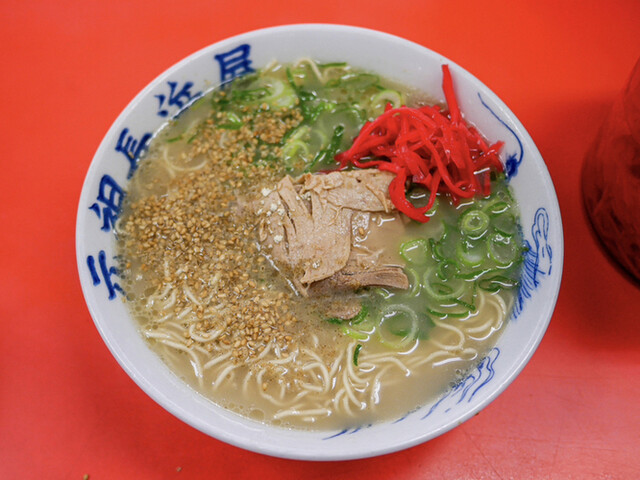
2. Ganso Nagahama Ya, for the kaedama test
Ganso Nagahama Ya dates to 1952 and is known as the birthplace of the noodle refill, according to a Tabelog reviewer. It runs on meal tickets and opens at 6:00, which makes it a breakfast bowl for one hotel guest who reviewed it. Reviewers pay under ¥1,000. Tabelog's listing warns that a similarly named Nagahama shop nearby is unrelated, so check the name.
Tabelog: 3.64 (2,935 reviews) · Budget: under ¥1,000 · Pay: cash only, meal ticket · Reservations: not taken · Seats: 32 · Hours: 6:00–25:45, closed December 31–January 5 · Getting there: 10 min walk from Akasaka Station, exit 1
3. Nakiryu, for a shop with a system
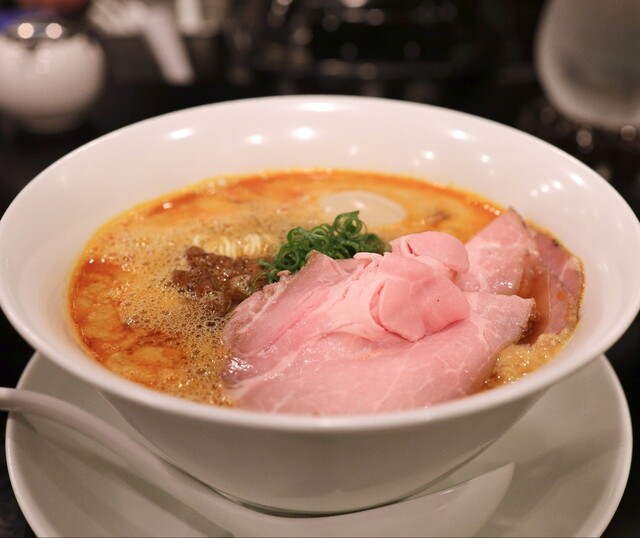
Nakiryu in Tokyo shows that good manners sometimes means following the shop's own process. You get a timed slot from a tablet at the shop, starting at 8:00 on business days, then come back at your time. Reviewers order the tantanmen (spicy sesame noodles) and the soy sauce ramen, both ¥1,300.
Tabelog: 3.88 (2,567 reviews) · Budget: ¥1,000–¥1,999 · Pay: cash only · Reservations: same-day tickets at the shop · Seats: 12 · Hours: 11:00–15:30, closed Sundays and holidays · Getting there: 5 min walk from Shin-Otsuka Station, north exit
Frequently asked questions
Is slurping part of how to eat ramen in Japan?
It's common, but optional. Slurping is accepted and common, but you won't offend anyone by eating quietly. Avoid splashing broth on your neighbors.
Do I have to finish the soup?
No. Rich broths are heavy and plenty of people leave some. The noodles and toppings are what you should finish.
Should I tip at a ramen shop?
No. Pay the listed price at the machine or the register and say thanks on the way out.
Can I sit at a ramen counter for a while?
At a small shop with a line, no. Eat and go. Quiet afternoons are more relaxed, but a counter seat is still for eating.
Find your next bowl
Browse ramen in Fukuoka, ramen in Tokyo or the ramen guide. Knowing how to eat ramen only helps once you've found a shop, and the TabeDog map shows what's open now and who takes cash only.
Cover photo: Tonkotsu ramen in Tokyo by Syced, CC0, via Wikimedia Commons.