Fresh Wasabi in Izu: Where to Grate It and When to Go
Where to grate fresh wasabi in Izu, what a wasabi set meal costs, which season to visit, and how to reach Shuzenji and Kawazu from Tokyo by train.

Fresh wasabi in Izu means a bowl of rice, a small grater and a whole stalk grown in mountain spring water, which you grate yourself at the table. The best places to do it sit between Shuzenji Onsen and Kawazu on the Izu Peninsula, roughly two to three hours from Tokyo by train. This guide covers why Izu is such a good place for it, what to order, how the seasons change the trip, and four Tabelog-rated restaurants with prices and payment details. Ratings are as of October 2026.

Why fresh wasabi in Izu tastes different
Izu grows mizu wasabi (water wasabi), raised in cold, running spring water rather than in dry soil. The Amagi mountains supply plenty of that water, and Shizuoka's tourism board says Izu City's wasabi is grown without fertilizers or pesticides.
The method is also protected. In 2018 the UN's FAO named "Traditional cultivation of Shizuoka water wasabi" a Globally Important Agricultural Heritage System. The key technique is the tatami-ishi (tatami-mat stone) terrace: large rocks in the bottom layer, smaller ones above, sand on top, with spring water running through. One Shizuoka agricultural site says a man named Kanshiro Itagaki passed the harvesting methods of Utogi on to the Izu area in 1744.
A fair caveat: Shizuoka Prefecture as a whole is the wasabi heartland, and Utogi, where the craft started, is in Shizuoka City, not Izu. What makes Izu the best place to eat fresh wasabi is practical. Growers run restaurants on the peninsula's tourist routes, and the standard order is a set where the stalk arrives whole and you grate it.
What to order: the wasabi set meal
The format is nearly the same everywhere. You get rice topped with bonito flakes (sometimes nori), soy sauce, and a wasabi stalk with a grater. Grate it, pile it on the rice, add soy, eat.
Two tips from Tabelog reviewers on fresh wasabi in Izu. First, how you grate matters: one reviewer said the heat swung from sharp to smooth depending on how finely they ground it. Second, timing: a reviewer at Nanadaru Chaya found the just-grated wasabi had a pleasant aroma with little kick, while paste that had sat a few minutes was hotter. Grate in small batches and taste as you go.
Fresh wasabi in Izu by season
Wasabi is harvested all year, so there's no wrong month. Japan Objects says the best time is said to be the turn of the season in spring or fall, when cool, moist weather suits the plant. Beyond that, the season mostly changes the scenery and the crowds.
- Spring (March–May): Per Wikipedia, wasabi starts flowering in January, peaks in April and finishes in May. Kawazu's cherry blossom season is busy: Nanadaru Chaya lists March and the cherry blossom festival among its peak periods.
- Summer (June–August): Expect queues near Joren Falls. One August reviewer gave up on a long wait near the falls during Obon and ate at Amago Chaya instead.
- Autumn (September–November): Japan's tourism board describes emerald wasabi beds set against red maple leaves. In October 2026, a reviewer at Amago Chaya's Shuzenji branch arrived at 11:00 and found one group ahead of them.
- Winter (December–February): Wasabi is evergreen, so the beds stay green when everything else is bare.
How to get to Izu from Tokyo

To Shuzenji: The JR Odoriko limited express takes about 2 hours 8 minutes from Tokyo Station to Shuzenji Station, according to JR East. Japan-guide lists it at around ¥4,750 one way, but only a few Odoriko trains run through. The common alternative is the Tokaido Shinkansen to Mishima (40–50 minutes), then the Izuhakone Railway for 35 minutes and ¥550. The Japan Rail Pass doesn't cover the Izuhakone line.
To Kawazu: The Odoriko's east-coast route runs through Ito, Kawazu and on to Izukyu-Shimoda (2 hours 49 minutes from Tokyo). Nanadaru Chaya is a Tokai Bus ride from Kawazu Station.
By car: The Amagi Yugashima branch of Amago Chaya lists 60 minutes by car from Mishima on Route 414. Pick one side per day: Shuzenji and Amagi together, or Kawazu on its own. For filtering places as you go, see our food apps for Japan guide or use the TabeDog map.
Four places to try fresh wasabi in Izu
1. Amago Chaya, Shuzenji Onsen branch (あまご茶屋 修善寺温泉店)
Amago Chaya Shuzenji onsen ten is run by the producers of the Amagi-grown amago trout and wasabi it serves, per its Tabelog page. It's the easiest first stop: a 2-minute walk from the Shuzenji Onsenba bus stop, opened in 2017.
Order the wasabi set meal. An October 2026 reviewer paid ¥1,980 for wasabi rice, amago and seasonal vegetable tempura, and grated about 15 cm of stalk. Reviewers also mention a cold wasabi soba at ¥1,760 and a wasabi amakatsu burger at ¥935. Arrive at 11:00: at a June lunch, four groups were waiting outside (about 10 minutes).
Tabelog: 3.48 (156 reviews) · Budget: ¥1,000–¥1,999 lunch and dinner (reviewers' set meals ran about ¥1,900–¥1,980) · Pay: cash, card (VISA, Mastercard, JCB, AMEX, Diners, UnionPay), Suica, iD, QUICPay, PayPay, d Barai, Rakuten Pay, au PAY, Alipay, WeChat Pay · Reservations: weekdays only from October 2026 · Seats: 19 (14 chairs, 5 counter) · Closed: Wednesdays (open on public holidays, Obon, Golden Week) · Getting there: 2 min walk from Shuzenji Onsenba bus stop
2. Zenpuutei Nana Ban (禅風亭なゝ番), Shuzenji
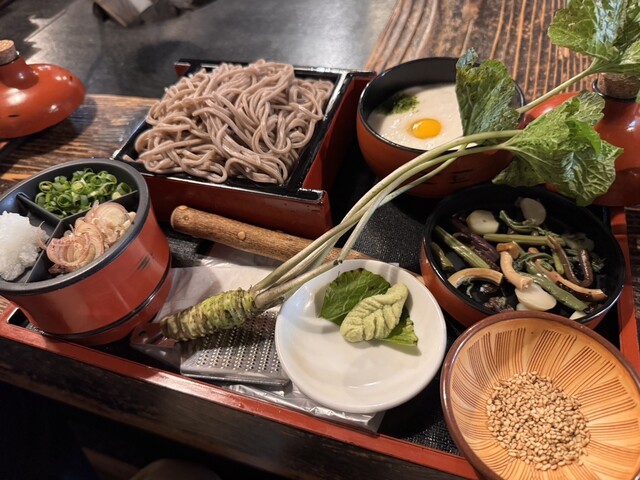
The signature at Zenpuutei Nana Ban is zenji soba, "Zen temple soba," served in three stacked tiers: dipping sauce on top, lightly seasoned wild vegetables in the middle, and soba with tororo (grated mountain yam) at the bottom. A May 2026 reviewer says it traces back to monks eating soba with sesame, yam and wild plants after training. Wasabi comes to the table to grate, and one reviewer says you can take it home in a bag instead.
Opinions on the noodles are mixed, so treat this as a wasabi-and-atmosphere stop, with an irori (sunken hearth) and signed celebrity photos on the walls. Prices are low: reviewers paid ¥700 plus ¥150 for large zaru soba and ¥850 for yamakake soba. Several groups were waiting before the 10:00 opening on one May morning, and you put your name on a list.
Tabelog: 3.49 (364 reviews) · Budget: ¥1,000–¥1,999 lunch and dinner (several reviewers paid under ¥1,000) · Pay: cash only · Reservations: not taken · Closed: Wednesdays and Thursdays · Getting there: Shuzenji Onsen district, about 2 km (straight line) from Shuzenji Station
3. Amago Chaya, Amagi Yugashima branch (あまご茶屋 天城湯ケ島店)
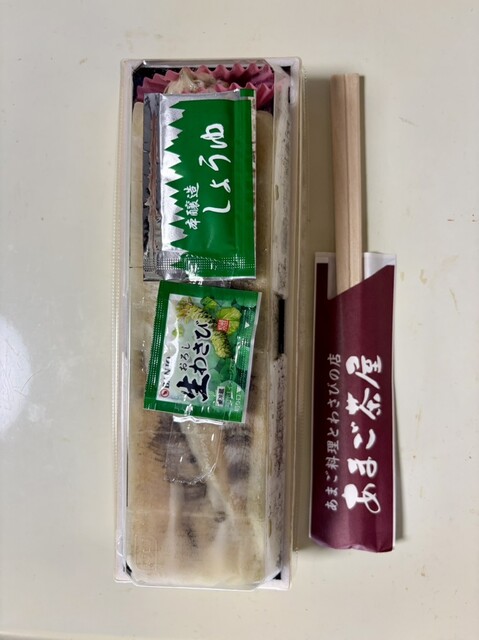
The Amagi Yugashima branch works as a lunch stop on a drive through the mountains; reviewers pair it with Joren Falls. A May 2026 reviewer grated their own wasabi onto rice with nori and bonito flakes and called it quite spicy. An August 2026 reviewer paid ¥2,090 for a Benihime amago marinated rice bowl that came with a small side dish, amago soup and fresh wasabi.
It seats 36 (18 chairs, 18 on tatami) and accepts reservations by phone, which helps in August.
Tabelog: 3.47 (103 reviews) · Budget: ¥1,000–¥1,999 lunch (recent reviewers paid ¥2,000–¥2,999) · Pay: cash, card, e-money, QR · Reservations: accepted · Seats: 36 · Closed: Wednesdays · Getting there: by car, 60 min from Mishima on Route 414
4. Nanadaru Chaya (七滝茶屋), Kawazu
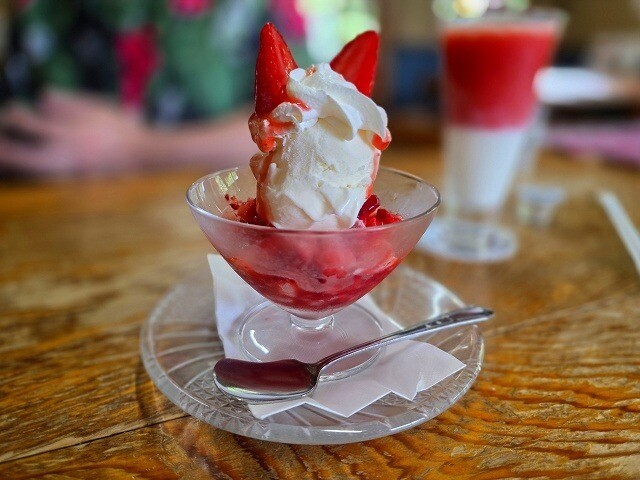
Nanadaru Chaya is the pick on the east coast. It's a tea house by the Kawazu Nanadaru waterfalls, and reviewers say it appeared in Kodoku no Gurume (Solitary Gourmet). One August reviewer ordered tororo soba with a small wasabi rice bowl, then the crushed strawberry dessert that several reviewers mention. An English menu is available.
It's mostly walk-in, but phone reservations may not be accepted during March, August, September, the cherry blossom festival and busy weekends.
Tabelog: 3.49 (253 reviews) · Budget: ¥1,000–¥1,999 lunch · Pay: cash, PayPay (no cards) · Reservations: by phone, not always available · Seats: 32 · Closed: Thursdays · Getting there: Tokai Bus from Kawazu Station to the Kawazu Nanataki stop
Practical tips for fresh wasabi in Izu
- Cash. Nana Ban takes cash only and Nanadaru Chaya takes cash and PayPay. Carry yen even if Amago Chaya accepts cards.
- Days off. Wednesday and Thursday are the common closing days at the places above. Check before you go.
- Timing. Aim to arrive at opening. Asakusa Juroku (below) sells out and closes at 15:00, and Nana Ban stops serving at 14:30.
- Pair it. Reviewers combined their lunches with Shuzenji's bamboo grove path, Shuzenji temple and Joren Falls.
For something other than wasabi near Shuzenji, Asakusa Juroku Izu Shuzenji Hanare (浅草じゅうろく 修善寺はなれ) is a Tabelog Soba EAST "100" 2025 pick rated 3.70 (354 reviews). It's cash only, closed Wednesdays, seats 14 and doesn't take reservations. Reviewers paid ¥2,000–¥3,999 for tempura soba. Browse soba across Japan or start from Tokyo if that's your base.
Frequently asked questions
Is the wasabi in Izu real or horseradish?
At the restaurants above, reviewers describe grating a whole wasabi stalk at the table. That is what fresh wasabi in Izu usually means: no tube, no powder.
Can I pay by card in Izu?
It depends on the restaurant. Amago Chaya takes cards, e-money and QR payments, while Nana Ban takes cash only.
Do I need a reservation?
Usually not for lunch. Amago Chaya Shuzenji accepts reservations on weekdays only from October 2026, so on weekends plan to join a short line.
What's the best season for fresh wasabi in Izu?
It's harvested year round. Spring and fall are said to be best, and autumn adds red leaves. Winter is the quietest time to eat fresh wasabi in Izu, though the sources here don't give crowd data.