5 Best Japan Food Websites for First-Time Visitors
The 5 Japan food websites first-time visitors should use to find, vet and book restaurants, with fees, language limits and what each one misses.

The five Japan food websites a first-time visitor should use are Tabelog, TabeDog, TableCheck, OMAKASE and byFood. Most Japan food websites do one job well, so you'll want a mix: one to find places locals rate, one to check you can actually eat there, one to book a table and one for a guided food experience.
Full disclosure: TabeDog is our site, so weigh its spot on this list accordingly. It sits second because it's built on Tabelog's data, and we tell you below what it can't do.
Japan food websites compared
| Website | Use it for | Books tables? | Watch out for |
|---|---|---|---|
| Tabelog | Ratings, reviews, instant booking | Yes, some | System fee per booking; English pages can be thinner |
| TabeDog | Map search by rating, hours and payment | No, links to Tabelog | 10 searches an hour without an account |
| TableCheck | Booking in English | Yes | A booking tool, with little help choosing |
| OMAKASE | High-end sushi and fine dining | Yes | Per-seat fee; some counters require a Japanese speaker |
| byFood | Food tours, classes, reservations | Yes | A fee on some reservations |
1. Tabelog: where to check what locals think
Tabelog is Japan's biggest restaurant review site and the starting point for everything else here. Its operator, Kakaku.com, reports about 890,000 restaurant listings, more than 70,000 of them bookable online instantly, as of May 2026. The English site is free to browse, and the official app also works in Traditional Chinese and Korean.
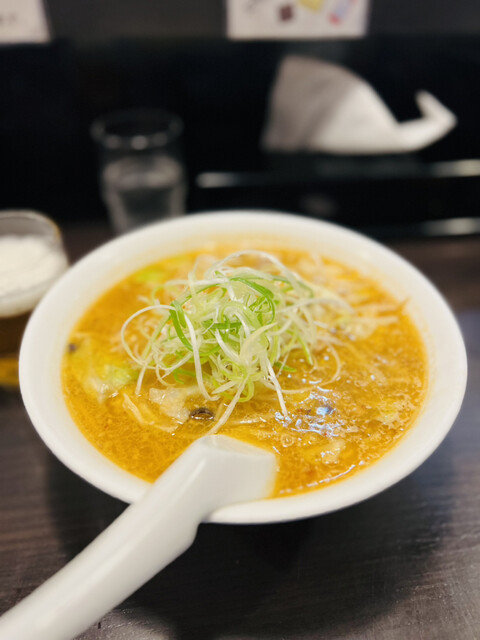
Learn the scale before you use it. Scores here run lower than on Google or Yelp: 3.5 and up is excellent, and 3.2 to 3.4 is often a solid local spot. A place at 3.7 with thousands of reviews, like Keyaki in Sapporo (3.70, 3,291 reviews), is a serious destination.
Booking has conditions. Each confirmed reservation carries a system fee, and under Tabelog's reservation rules that fee isn't refunded, even if you cancel. The restaurant may also charge its own cancellation fee if you don't show up, so read its policy first.
2. TabeDog: the map for deciding where to eat right now
TabeDog puts Tabelog's ratings on an English map, with budget bands, hours, closed days and payment methods for any neighborhood. That's the information you need when you're standing on a street corner at 20:00 and want something good, open and willing to take your card.
Payment is the detail first-timers miss. Keyaki, that 3.70 ramen shop, takes cash only, and its ticket machine does too. Checking before you join a line beats finding out at the front of it.
Be clear on the limits. TabeDog doesn't take bookings and links to Tabelog instead. Without an account you get 10 searches an hour, accounts have no search limit, and saved lists are a paid feature. Our city pages and cuisine guides work without signing in.
3. TableCheck: the simplest way to book in English
Once you've picked somewhere, try TableCheck. Many restaurants use it as their own booking system, so you often reach it through the restaurant's site, Google or Tripadvisor instead of going to it directly.
By TableCheck's own figures, it has more than 8,000 restaurant clients, including over 200 with Michelin stars, works in 18 languages and charges diners no extra booking fee. You register a credit card when you book, and that card can cover the bill too. Check the cancellation terms on each booking.
4. OMAKASE: for the one big sushi or kaiseki meal
If your trip has a single splurge, OMAKASE is the site to learn. It focuses on high-end counters, where seats can go quickly.
Read each listing closely, because terms vary. Several charge a reservation fee of ¥390 per seat when you book. Some restaurants only accept bookings if someone in your party understands Japanese, and at least one Fukuoka listing sends international guests to a separate request form. Cancellation can be steep: one listing charges 50% three days before and 100% the day before.
Don't schedule this meal for your arrival night. A delayed flight could cost you the whole fee.
5. byFood: for tours, classes and a soft landing
byFood is the one site here built for people who'd like some help. It sells food tours and cooking classes, with tours led by English-speaking guides, and handles restaurant reservations without any Japanese on your part.
Fees are worth checking: its help pages mention a ¥2,000 fee on some reservations, which doesn't cover your food or drinks. byFood says it donates 10 school meals per guest for every booking.
A food tour works best early in the trip. You learn how ordering, ticket machines and izakaya etiquette work, and then the rest of your meals get easier.
How to use these Japan food websites in order
Here's a simple plan, using a Fukuoka day as the example.
- A month or more out: build a shortlist on TabeDog or Tabelog, and look up each restaurant's booking window. Daidai, a 3.73 chicken hot pot restaurant, only opens each month's tables on the 1st of the month before.
- Two to four weeks out: book your must-haves. Try the restaurant's TableCheck page first, then Tabelog. Use OMAKASE for the splurge, and byFood for a tour.
- On the trip: leave most meals open and search the map when you're hungry. Plenty of the best cheap food can't be booked at all. Hakata Issou (3.72, 5,804 reviews) takes no reservations and only cash, and reviewers counted 50 people outside at 13:30 on a Friday but about 10 at 15:10.

Two more tools fill the gaps. Use Google Maps for walking and train directions, and see our best food apps for Japan for how Hot Pepper Gourmet and Gurunavi fit in. If you're traveling soon, here are the best cities to visit in Japan in winter for food.

Frequently asked questions
What are the best Japan food websites for a first trip?
Start with Tabelog for ratings and TabeDog for map search, hours and payment. Book with TableCheck or Tabelog, use OMAKASE for high-end counters, and use byFood for food tours and classes.
Is Tabelog available in English?
Yes. Tabelog has an English website and an English-language app, and it offers online booking in English. English pages can carry less detail than the Japanese ones, and a system fee applies to each confirmed reservation.
Can foreigners book restaurants in Japan online?
Yes, at many restaurants, through Tabelog, TableCheck, OMAKASE and byFood. Expect to give a credit card, and expect some high-end counters to ask for a Japanese speaker in your party. If online booking fails, ask your hotel concierge to call.
Are Japan food websites free to use?
Browsing is free on all five. Costs come in when you book: a system fee on Tabelog, a per-seat fee on many OMAKASE listings and a fee on some byFood reservations. TableCheck says it charges diners no extra booking fee.
Do I need a reservation for every meal in Japan?
No. Ramen shops and casual counters often don't take bookings. Reserve splurge meals, popular hot pot restaurants and anything you'd be upset to miss.